In his book, published in 2017, McRaven makes 10 suggestions, the subtitles being ‘Little things that can change your life…and maybe the world’. 7 years earlier, when he gave the commencement address to 8000 graduating students at the University of Texas UT. Rather than read the book, the video of his speech is worth watching here.
I’ve been reminded of these simple messages recently, which sit in direct contrast to the incredibly complex set of instructions we face every time we wish to cause the creation of something new. And though I continue to do my best to understand and then accelerate those next steps, actually, sometimes only time is needed, and there is nothing I can do to short-circuit the calendar. In many ways, that’s the nature of the school curriculum itself, which is carefully paced through each year to ensure there is time for the breadth of cognition to develop, knowledge AND skills to be acquired.
This year, I have completed 4 years of service for the Independent Schools Association as the chair of their Inspections committee and as their representative on the cross-association Universities committee checking in with universities and colleges on their processes and requirements, and causing them at the individual University level to consider carefully the concerns the schoolwide sector has about student management and well-being. It’s been an enormous privilege, being the representative of almost 700 independent schools in these 2 forums, and whilst my contribution has been genuinely valued by my colleagues in ISA, I am delighted to have drawn to an end those 2 elements of work-flow. Having recently been re-elected to serve on ISA Exec Council for a further 3 years, I’m pleased my voice has not been silenced completely, yet returning just to work in my school is hugely rewarding in turn.
As my previous posts this term have made clear, we have no choice other than to look for the positives and celebrate the successes, not just for ourselves but everyone else concerned in our society, because it’s team, collaborative work that will make the difference for us all. When as a headteacher I am asked to engage with any national government consultation, I will make that contribution rather than set it aside. During the recent HMRC consultation on the introduction of VAT to our sector, it’s clear to those MPs directly involved that the huge volumes of correspondence that followed made no difference to the roll-out of policy, but that does not mean we can’t hold HMRC to account when the process falls over and fails to deliver the outcomes (6500 more teachers) predicted.
It’s worth mentioning that the new government’s review of the curriculum content of our state schools is coming to a close, and there’s considerable focus from pressure groups on the need to reform once more the public examination system and the extraordinary and bureaucratic beast it has become. I urge the utmost caution on everyone currently hoping for a dramatic transformation quickly – don’t go there yet! Dame Christine Ryan, formerly Chief Inspector of the Independent Schools Inspectorate made very clear to the government 7 years ago that Michael Gove’s wholesale changes to the then National Curriculum at both GCSE and A Level simultaneously would place the country’s ability to check the nation’s progress into limbo for 5-7 years – that’s how long it would take to assess whether the changes had made an impact, and if so, was that a good one. It’s also worth saying that the Scottish Government did the same thing, and so now we can for the first time see the results rolling in. Yes, in principle, England’s system is improving, but we need 4 more years to check that the improvements are making the ‘change in practice for the better’ permanent.
England’s reading, writing and science progress has been very strong indeed, the latest evidence of which comes from the TIMMS 2023 assessments for Maths and Sciences. What’s important to appreciate is that it takes teachers also a very good deal of time to get used to new mechanisms for teaching, learning and assessment, and I certainly approve of the academic focus that has returned to the teaching of the sciences, and the importance of Literature in our lives as ways of learning about emotional regulation and change. It’s genuinely nice to see that our ‘recovery’ from the pandemic has been quicker than other countries, and for Science we are now placed at the very top of expectations, so well done fellow science teachers for that. Scotland adopted a far more modern approach, diluting rigour with relevance, the latter sadly being ‘opinion’ and with little actionable content. The Curriculum for Excellence has proven not to be, which saddens so many I know where once Scottish Education was held in the highest esteem.
Where the English system works at the 18+ and graduation process to work or University remains the most efficient process, permitting young adults to move on into apprenticeships, college or University with graduation beyond expected in 3 years. As our higher education qualifications incur the acquisition of serious debt, the last thing we should currently be thinking of is a migration to a 4 or even 5 year pathway prior to graduation, at an adjusted debt cost of £100,000. One of the brilliant innovations in the private University sector is the willingness to compress this process into 2 years, mostly in the music and fashion business because it’s the work that follows that aligns work experience to skill and knowledge already acquired.
What’s not working anywhere in the UK is the availability for planned support for those whose learning difficulties are not being met, the funding for diagnostic assessments that need to be carried out and the subsequent skilled support, counselling and other therapies ensuring intervention happens in a timely manner. Apparently there is an investigation by JCQ underway to explore why there is such a difference between the state and independent sector in terms of reasonable adjustments to be made to meet disability requirements for public exams. As anyone who has worked with out school has found, we conduct rigorous assessments towards the end of Year 9 to assess those needs prior to commencing GCSE courses, and again at the start of Year 12 and Sixth Form courses. These routine activities cost money, time and resources, teacher-feedback and then ongoing assessment to check that the concessions awarded are actually being used. Whilst I certainly support this review, I don’t expect to read that our sector has been too generous – as it is very clear just how under-resourced the state sector has become. Not wishing to sound facetious, but the lack of National Health dentistry is not down to the over-provision of dentists in the private sector!
In McRaven’s short book (p122), he describes the Wednesday of ‘Hell Week’, during which the SEAL trainees spent 15 hours after dark up to their necks in mud. All that was needed was for 5 of the trainees to quit and the whole squad would be released from the slime. Just as it looked the squad would fail, one brave voice began to sing, then a second until of course the whole troop joined in. Bit by bit the mud seemed a little warmer, the wind a little tamer and the dawn a little nearer.
“If you want to change the world, start singing when you are up to your neck in mud!”
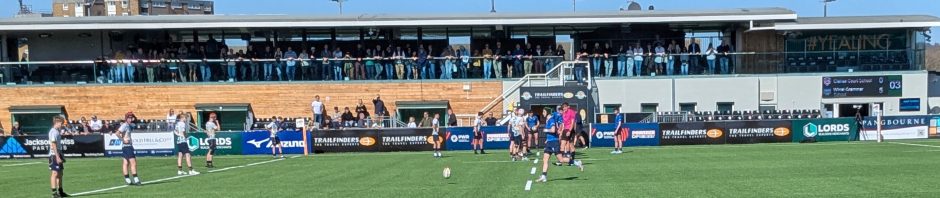
I’ve just watched Sherborne’s rugby video of our U14 side beating their A team away in the quarter-final of the South West Rugby Cup by the narrowest of margins, 17-15, and the last 5 minutes epitomise the strength that a team can draw from when no-one gives up! Throughout this term, I’ve seen that spirit of teamwork shine through, evident in the classrooms, the arts, music and drama events, and indeed in the relationships evident at the PTA events such as Fireworks and Christmas Fair. Despite the complexities to be found in the ‘game of life’, we can make things a whole lot easier if we do the simple things well. Here’s to completing the term in such style, singing well whatever the weather!

 A Principled view