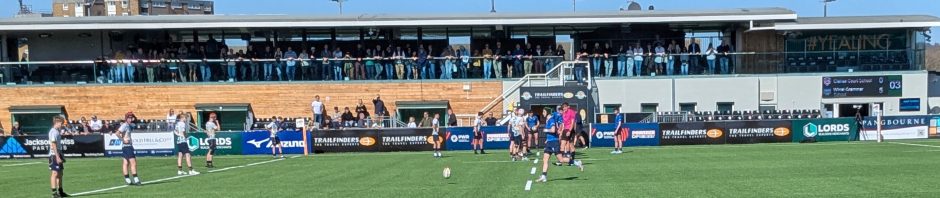

One of the many benefits I continue to enjoy is seeing the success that former pupils (and staff) make of their lives post Claires Court. While I can recall memories from the school I lead all the way back to its founding in 1960, and have stayed in touch with friends made in that era, I take the most pleasure in observing those now in adult life who I personally taught in a school very much shaped by my direction in curriculum choices and opportunities provided. As the title suggests, I believe there is a huge correlation between the success the next generation enjoy and the support and choices their parents made for them along the way.
Last week, Rupert Houseman (1988-1992) was awarded the BBC Grierson Trustees Award 2025, The Grierson Trustees have lauded Houseman for the breadth, quality and diversity of the documentary projects he has worked on over many years in the industry, alongside his longstanding commitment to developing and nurturing the next generation of editing talent.
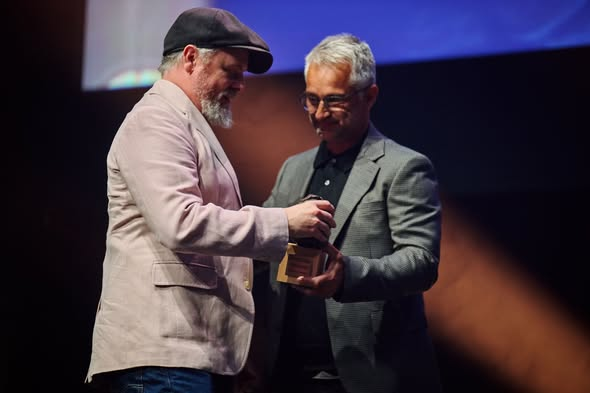
Rupert’s father, David, wrote to me in 2013 to alert me to the then brilliant news of the BAFTA award 2013 being presented to Rupert for his documentary film, 7/7: One Day in London, and you can see the warmth for school coming through in his words:

Whatever the prizes of life that come to us, what’s more important is the impact we can make on others, to give them help, support and even a ‘leg-up’. Last week, Rupert reminded me that fellow Claires Court student, Toby Hefferman (5 Oscar film nominations this year and 2 winners for Dune – Part 2) gave him his first job! Much more importantly, is the recognition he has received for his work in developing The Garden Production company to help young people without privilege to develop the technical skills to win employment in television.
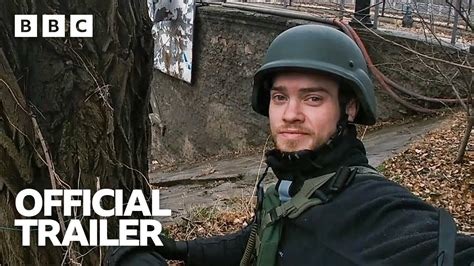
Rupert, like so many young people then and now, learned differently to primary school expectations, and it was only during his time with us at secondary school that he was permitted to grow towards his interests and skills. In the D&T workshop and Art room, he found his future and enjoyed real examination success, and through which he was able to step forward and make such a great career for himself and contribute to the world of documentary filmmaking. This week, Rupert’s documentary, Hell Jumper, won the Emmy award for Best Documentary. It tells the story of the war in Ukraine captured through the eyes and the extraordinary first-person footage of a group of volunteers saving strangers’ lives in one of the most dangerous places on Earth.
Claires Court likes winning awards too, the latest being singled out during our school inspection: “Pupils who have special educational needs and/or disabilities (SEND) are identified early. Specialist staff review personal learning plans regularly. These are tailored carefully to each pupils’ needs. Teachers are well informed about these needs. Consequently, they offer appropriate support and well-thought-out activities in lessons. Sensitive support for pupils with physical disabilities or mental health needs allows them to access the curriculum fully and to participate in the activities on offer. Pupils are provided with sustained pastoral support to build confidence. As a result, pupils who have SEND make extensive progress from their given starting points. They achieve well in public examinations. The success of thoughtfully tailored provision on outcomes for individual pupils who have SEND is a significant strength of the school.”
When Rupert spoke at our Speech Day in 2013, he made it quite clear that he enjoyed the irony now as an adult of writing scripts, narrating in his documentaries and speaking in public as is required of him now, remembering the boy he was entering secondary school, labelled a failure because of his dyslexia. Now in 2025 he feels just the same, and the recognition he has won for his outreach work is not just thoroughly deserved, but a reminder to us all that, whilst you need a bit of luck to get on in life, the best fortune comes to those that work hard to overcome their own difficulties and then do their best to help others too. You can find below the link to his acceptance speech for the Grierson Award last week below. I’ve also included the transcript of his speech too, for in his words you really can capture the human essence he brings to our community.
And that’s where parenting comes to the fore. I feel sure Rupert would not have come to Claires Court if he didn’t need smaller classes and a school that understood how to support his needs. In no way does that suggest ever that secondary-aged children need adults to fawn over them; far from it. They strive for their independence and just need sufficient opportunity to find their element. And that formula works for every child, even those with the highest intellectual potential. As the same Inspection report makes clear, the diversity of the excellence of our outcomes is one to celebrate and thank our parents for making that choice at the right time for their child.
Transcript: We have, I would say, the best documentary editors in the world working right here. We are as a group, simply fabulous, funny, frank, and a brilliant bunch. I’m lucky to call friends as well as colleagues. I’m even lucky enough to call a documentary editor my wife.
The editing training scheme would not have been possible without this amazing community. We got exactly why it needed to be done, and we’re completely happy to share their incredible skills.
For me personally, as you’ve heard, I like to make the cutting room as jolly as possible.
There needs to be laughter in the edit suite. It should always be a daily ingredient. This can, of course, confuse the casual passerby. I remember once an editor had burst into my cutting room, shouting, “Stop laughing”. That editor was actually in the process of cutting a comedy. We were cutting Life and Death Row!
You could say there’s a lot less to laugh about right now. Reduced commissions, smaller budgets, many out of work, even a war against truth itself. To cap it all, the rise of technology in the form of AI that we’re constantly told has the potential to completely replace us in the workplace. Now, I really hope that the next sentence I’m gonna say is gonna sound as ridiculous in 10 years as it does today. But I, for one, feel strongly that humans should be telling human stories, and that includes the editing of those stories.
Documentaries need to be put together with love and careful human consideration, and not fired out like a microwave meal, for one. Despite the occasional 3:00 AM existential crisis, I am genuinely excited about the future and the challenges it poses. I feel our skills in conveying truth through documentary as more important today than ever.
And among us. We have the fiery passion, skills, and belief to do just that and to do it brilliantly. So, as a documentary editor, I proudly accept this award. It’s rather lovely to be overwhelmed and recognised. Thank you very much.
You can watch Rupert Houseman’s Acceptance Speech here: :https://vimeo.com/1140475981

 A Principled view
Really enjoyed your insights on how parenting and early opportunities shape long-term success beautifully written and inspiring! I’ve been using https://www.studyinuk.com/ to explore study options in the UK myself, and it’s been incredibly helpful in planning my future. Thanks for sharing this thought-provoking post!
Amazing recap of all the awards and the impact of The Parenting Effect! I particularly loved your insights on the storytelling and its global reach. I’ve been using resources like https://www.studyinuk.com/ to explore creative media programs in the UK super helpful for anyone thinking about studying film and media!