An open letter to our Prime Minister, the Rt. Hon. Theresa May MP.
Dear Theresa,
Firstly, on behalf of the Claires Court community, may I congratulate you on becoming the Prime Minister of the United Kingdom. You have been Maidenhead’s only MP ever, since 1997; before then, the constituency used to be shared with Windsor, whose castle of Royal residence for reasons of history and heritage somewhat overshadows our larger suburban town to its north.
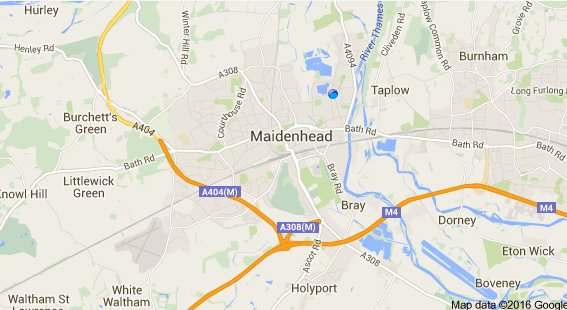 Maidenhead…perhaps Maydenhead now…has developed into the town we know, because of its central importance as a transport hub in the South East. The River Thames, navigable at Maidenhead, was the way long distance transport of goods and chattels could take place. The Bath Road, in its heyday carrying almost 100 coaches a day fed, watered and stabled, the large stone bridge over the River cutting the journey time down considerably than on the old route south of Windsor. Brunel’s great bridge over the Thames permitted trains to thunder in ‘Rain, Steam and Speed’ as depicted by J.M.W. Turner in 1844, in a painting that captures both bridges. And of course now, the presence of many of the world’s leading companies are based in the area, assisting us in the use of the superfast, broadband digital highway that now spans the globe. I have learned this over the past 4 days from one of our 12 groups of Year 10 students researching how their lives are shaped and changed by the circumstances around them. It seems very odd to mention this, coinciding as it has done with such a period of tumultuous change for you!
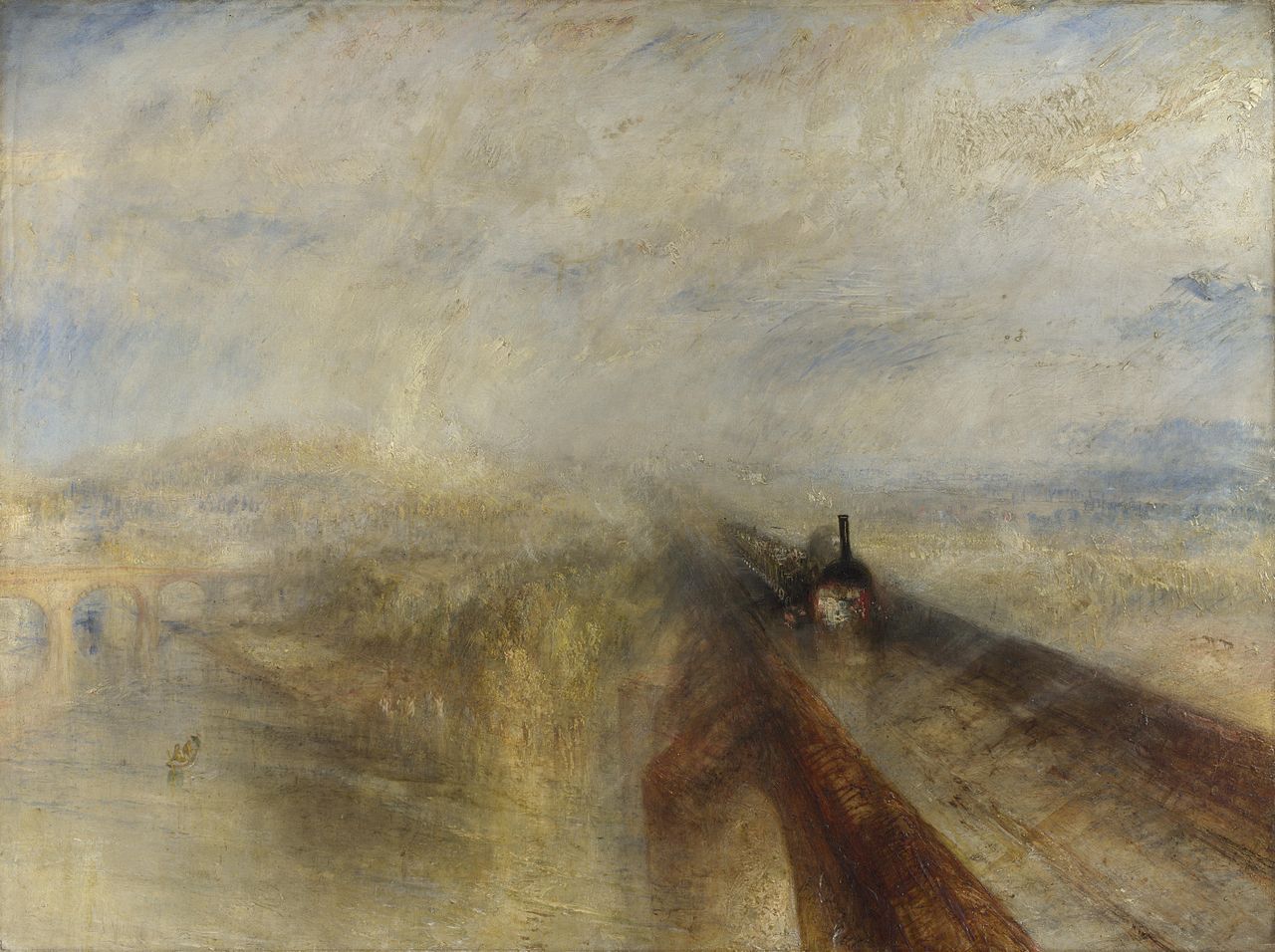
Maidenhead’s 2 bridges over the River Thames, as depicted in “Rain, Steam and Speed” by J.M.W Turner (1775-1851), to be found in the National Gallery, London.
I watched you speak on the TV on Wednesday night. You called our country to attention, you asked us to believe that your government will show it has listened to the outcomes of the recent referendum. Central to your message, you had this to say:
“We will do everything we can to help anybody, whatever your background, to go as far as your talents will take you.”
Prime minister, you know our school well; you have visited on a number of occasions, presented prizes and awards, been interviewed by our BBC school reporters, listened to our pupils across the age range and shown us, as you have so many other in our constituency, that you take your responsibilities as our local MP seriously and with go od humour. Here are you being interviewed by Ellie Rayer back in 2011, then aged 13, talking about your pride on bringing to the town a local minor injuries clinic, the value of local sports clubs for the development of our youth and the value of volunteering to the health of our local area.
Ellie went on to become our Head Girl, is now studying Sport Science at Loughborough University, and plays international hockey for England. She is one of many children who have emerged from our broad ability independent school, whose core ambition matches yours for your government, to do everything we can to develop the talents in our young people. Ellie was back at school this week, volunteering with other former pupils in the summer vacation, to give back to the school and wider community. They are doing as you have asked them to, inspired by your clear sense of purpose.
 We have had other fantastic visitors this week, meeting differing groups of our children dependent upon age and stage. At our secondary girls sports celebration on Monday night, Dr Natalie Seymour, hockey international, triathlete and now professional iron man encouraged our girls to take every opportunity and have no regrets. Dr Seymour’s day job as a clinical psychologist is spent in urban London with some of the most damaged young men of our times, helping them come to terms with their illness and showing them their road to recovery.
 At our junior girls prize giving, Julia Immonen, founder of the Sport for freedom charity inspired our girls to sit up, take notice and do something special to resist the growing presence of modern day slavery that our economy can’t help but encourage. Young people can be trapped into car wash work, begging on the streets, or working in sweatshops. How could the girls not be inspired when someone like Julia speaks to them about her own challenge to row the atlantic, which she did so successfully in 2011, in order to highlight the blight of human trafficking. .
At the Junior boys prizegiving, you would have been so proud of the 160 boys summer musical, an original production written by their teacher, Linda Stay, in which they sang loud and clear about the need to learn to treat others, boys, girls, those unclear of their gender, of all colours, faiths and nationalities as equal and to converse with them and make a better society. You have been brave enough to choose a new Secretary of State for Education, Justine Greening, not just because of being the first SoS drawn from a comprehensive background. It was Justine who tweeted only last month this celebration of her own domestic circumstances:

I can’t tell you how important this statement is, to the British values agenda we are proud to deliver here in school. Those predecessors in the Department of Education, recently Nicky Morgan, and before her Michael Gove, have said lots of pious soundbytes, but they have collaborated in undermining most that teachers and pupils hold dear, that being to work together for success and to take pride in their community.
 The headmaster of our Junior School, Justin Spanswick, spoke on Wednesday this week of the extraordinary damage wrought on our state primary schools. Now almost 50% of our children have failed to achieve the target expected of them for English and Maths. “Was that their fault?” he asked. “Certainly not”, he continued, and then explained that the sudden change in ground rules for assessing what’s needed to pass was not caused by the teachers or the children, but by the Secretaries of States misplaced trust in whim and fancy, rather than grounded in pedagogic evidence and academic understanding. This unnecessary mania for testing is set to reach new lows when the new Year 7s could be asked to resit these tests to ensure that catch up with the standards required. That’s 50% of them, Theresa, and that would add insult to injury.
A range of experienced guests judged the year 10’s extensive group project work work on the way they might rise to meet the challenges of the modern era. The winning boys entry was from a combined Drama and Music group, subjects not considered in anyway important enough to be included in the Ebacc measure Mr Gove and Mrs Morgan have pedaled as being vital to the health of our education economy for the future. What made the entry so remarkable was not just the excellent blend of modern technology and performance skills on show, but the text they based their project on, that being the last published yet uncompleted work of William Shakespeare, “The Book of Sir Thomas More”. In a series of speeches written by Shakespeare 400 years ago, Thomas More makes the argument for the humane treatment of those being forced to seek asylum by being expelled from their home land. Just read here how bad our reputation was as a place of asylum for Immigrants from Northern Lombardy (Italy) travelling over to England in 1517.
“Nay, anywhere that not adheres to England, 
Why, you must needs be strangers, would you be pleas’d
To find a nation of such barbarous temper
That breaking out in hideous violence
Would not afford you an abode on earth.” You can read more here.
What is remarkable about the way we encourage our pupils to work is that they create beauty and depth from ‘chaos and ignorance’, not just spout a litany of cant that I know annoys you so much. It is with reason that Ken Clarke has made unguarded remarks about you being a “bloody difficult woman”. As the press have all made clear this week, you loathe any sense of impropriety in public service, of sloppy and self-serving behaviour leading to injustice. If I may take you back to Shakespeare for a moment, we do have some really hard work to do to impress Europe that we are not a nation of racist bigots, and sadly in recent years, the cronies in government have let down so many. We all know you have done your best to include women into careers in parliament, and forced your own party to recognise its ‘nasty’ face. As Prime Minister, I do encourage you to keep on this tack, as we know only you have the courage and spine to deal with it.
Theresa, there are some that say this Independent school cannot speak for all of education, because by our very nature we are ‘exclusive’, requiring of our parents that they pay fees, beyond the reach of most. Our Nursery is of course open access to all, and many of the parents of the other 1000 children, many being nurses, policemen, shopkeepers and teachers like me, might reply that “these costs are choices we make for the benefit of our children, because first above all for anyone must be an outstanding education”. This independent school is training 15 teachers currently, we have vocational education and apprenticeships seen as important here as A levels and University entry. We commence our undergraduate programme in September, in partnership with the University of Winchester, so we can develop even more key workers as experts in Childhood Studies. Claires Court is a microcosm of all that is fine and noble in English education, perhaps as our area is too, with its rivers, industries, natural beauty and business bustle. We’d love to help more, from all financial backgrounds, but as we are like Maidenhead itself as a constituency, the first school of our kind, our ‘newness’ does not give us the resources to reach everyone.
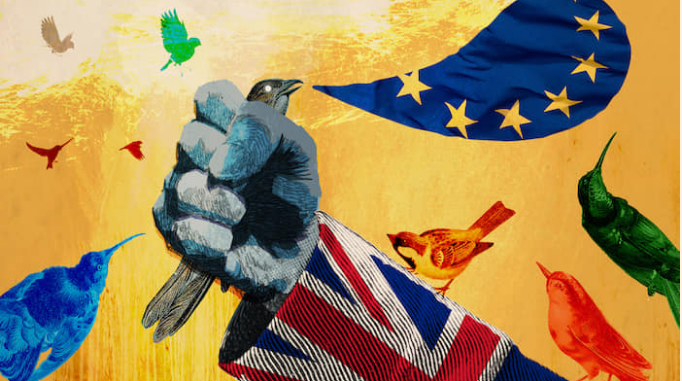
As a conservative, you were not voted for by those whose ballot spoke for Liberal Democrat, or Labour or other political hue. But you have made it clear that whatever the majority vote, you are going to represent that majority view. It’s not just that ‘Brexit means Brexit’, but that you plan to champion those “left behind”, people struggling financially who voted to leave the EU because they didn’t see how things could get worse. In educational terms, honestly, I am so pleased you have come to power because we in education have been traduced by that loathing of ‘experts’ that Michael Gove used to such good effect in the referendum. I understand perhaps as well as any that you are both willing to listen and change your mind to well reasoned argument. Please permit us to help, to demonstrate and to be part of the nation’s solution for education. I have no doubt that if you could include our sector as an offer for all of our children, standards would indeed rise immeasurably.
In conclusion, I don’t expect you to concentrate on this small beacon of excellence you know well in your constituency any time soon. But as and when you turn your attention to education, as you so surely will, I’d ask you to remember us here back at Claires Court, and that we continue to model effectively that any good school can look after the whole of the children, can focus on building character first, establish a modern values system that transcends faith and class, culture and nationality, whilst still concentrating on delivering world class academic results and sporting success. As world skeet champion, Amber Hill goes off to represent Claires Court, Maidenhead, Great Britain in the Olympics in Brazil, you and I will both be supporting her ambition to bring back Gold. And we know that she stands every chance, because she has worked at her skills for many years, and she now has the opportunity to express her talents to the full.
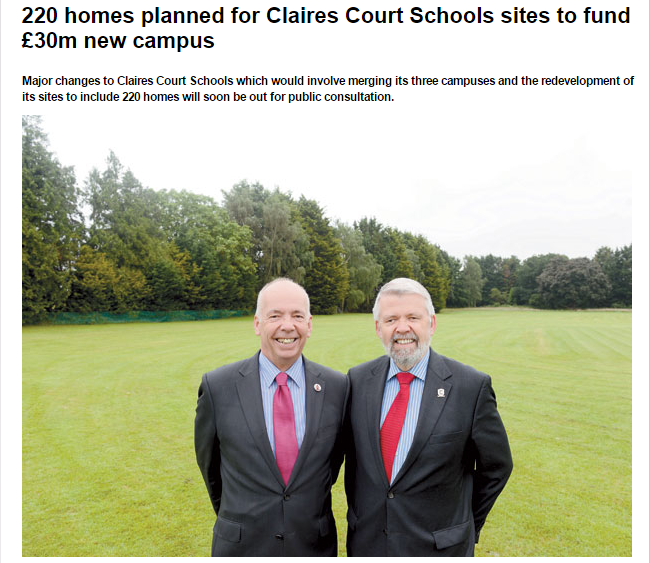
We have our own challenges of course now, as we set out to expand and consolidate our school on one campus. In normal times, we’d have expected you to have shown up and taken an interest, because you so often do, but we will forgive you this once; last weekend had its own priorities! But in case you missed all news, our neighbours and community reacted both with excitement and caution. Our nearest neighbours have to cope with our need for change, and we’ll respect their views and work hard to convince them that all is not to become a mudbath and traffic jam.
In conclusion, as with so many things, it’s an ill will that blows no good, and the circumstances leading to the self-destruction of both the Cameron administration and the Corbyn opposition have opened the door for your ‘kind’ of administration. The news tells us you are building a very new government, and we have every faith that you will take this opportunity. We wish you good luck and God’s speed. You’ll need both of course, and some extra friends in addition from time to time. You know where to find us if you need our help.
All best, James


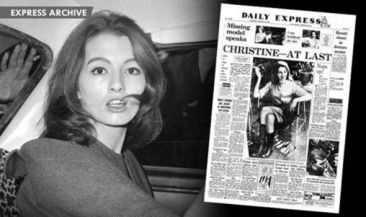 paradox is very evident to the current teenagers; reading such an article informs them that free sex, drugs and rock and roll were universally available, and not just limited to the new young. As the Profumo affair (1963) up at our local stately home, Cliveden, demonstrated, there was an awful lot going on throughout society, including government ministers, sex and Russian spies. As the magazine article concludes: The 1960s was a decade of rapid change. Blink for one second and you would have missed it. It was the period that finally allowed people the liberty and individuality people had fought for and what we take for granted nowadays. The sixties began bleak and restricted, but by the end, people were full of hope and optimism for a better future. Now we know what Charlie Fleischer meant by, “If you remember the ’60s, you really weren’t there”. The article itself is written by a 17 year old this autumn, so worth a second glance.

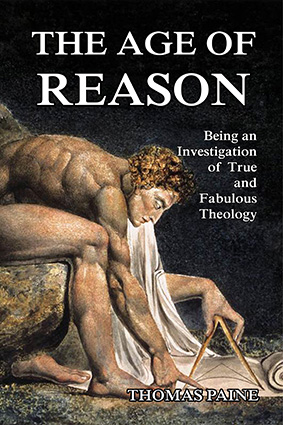
 When mankind entered the Age of Enlightenment, all sorts of new beliefs started to emerge, not developed intuitively by the survivors of the societies what went before. The Sixteenth and Seventeenth centuries provide sufficient wealth for philosophers to have time to think, playwrights produce the complete works etc.; all sorts of changes started to occur, which led to the various revolutions, agrarian, industrial and political that permit us now to find ourselves where we are and who we are. Almost 400 years ago , the philosopher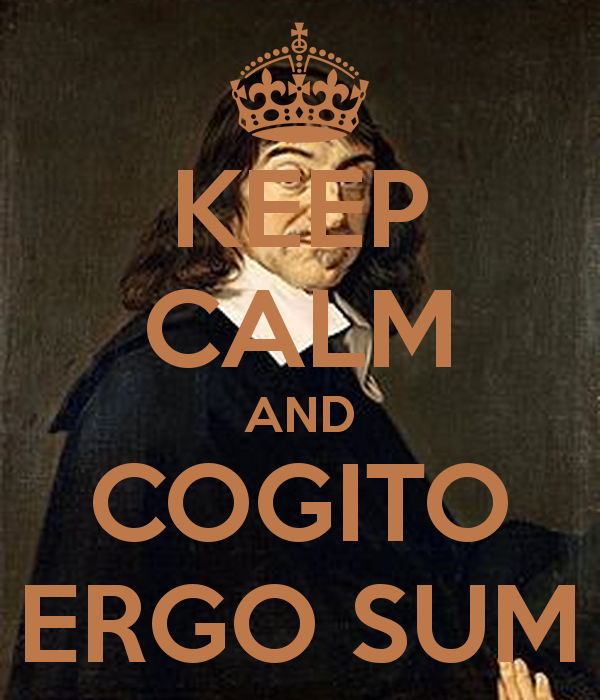


 The Henley Standard published this report of the race shortly after it was raced at 3.50pm on Sunday 3 July 2016.
 Hitting the wall of sound at Enclosures both crews increase the rate. Claires Court push through to a length lead. Can Windsor boys respond? Claires Court seize the initiaitive at the Grandstand and push through to the line. Both crews lift again in the last 30 strokes of the race and Claires Court hold on to the length distance they gained. Gladitorial racing at its best.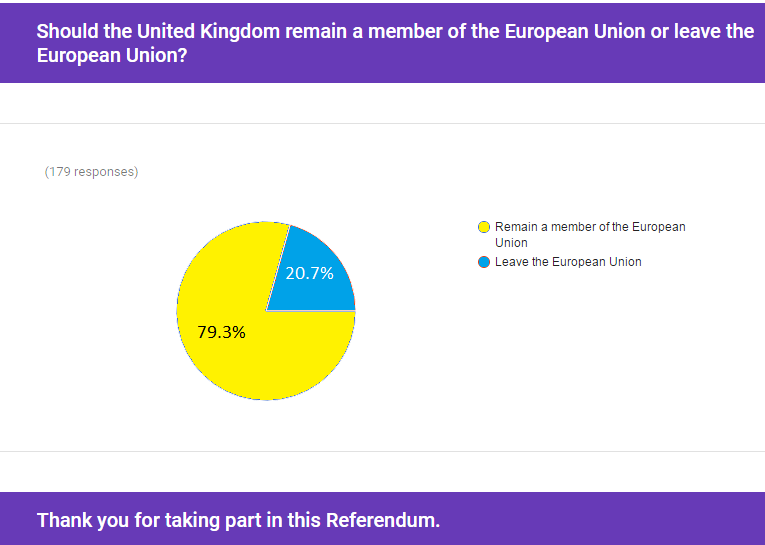
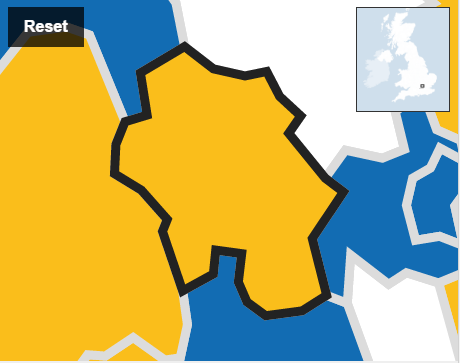 able to vote in the ‘real’ referendum, unless they were 18 years of age. As it happens, in terms of the geographical areas of the country in which our pupils live, their vote followed in the main how our local constituencies voted. The majority vote went to remain in RBWM, Wycombe, South Oxfordshire, Chiltern and Wokingham. South Bucks, Slough and Bracknell Forest voted to leave, giving us a pictorial spread of our school’s catchment area looking as opposite.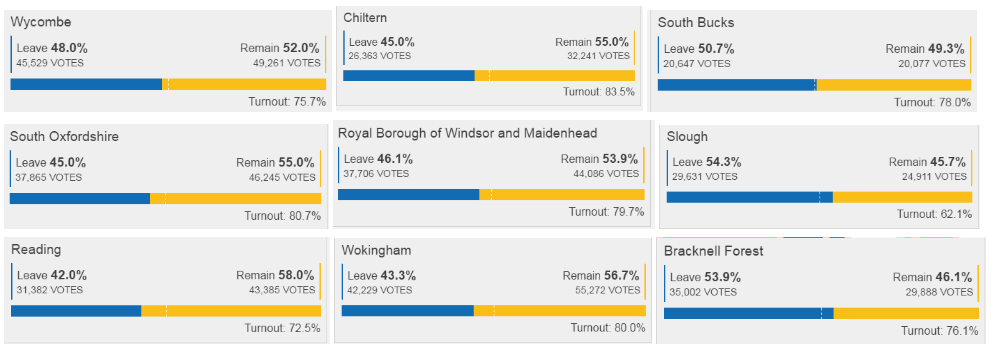

 And we need a breath of fresh air come Friday, once all the electioneering and all that stuff is done. From 11am on Friday, Chair of CCJB PTA, Emma Robertson and her team are assembling our PTA Summer Fete – ‘The Great Outdoors’ for Saturday 25 June from 12 noon. Everybody whose anybody in our school will be there, we hope, as will some amazing Gundogs and their keeper, so please if you are free and local to Maidenhead, feel free to come along and enjoy an amazing afternoon of British Country fete. Licensed bar, Pimms tent, BBQ and all things British are on show, stalls run by the boys and girls and all.

 A Principled view